AI-Powered Annotation for Coral Reef Analysis. An unofficial toolkit to supercharge your CoralNet workflows.








1. Create Conda Environment (Recommended)
# Create and activate custom environment
conda create --name coralnet10 python=3.10 -y
conda activate coralnet10

# Install uv
pip install uv
2. (Optional) GPU Acceleration If you have an NVIDIA GPU with CUDA, install PyTorch with CUDA support for full acceleration.
# Example for CUDA 12.9; use your version of CUDA
uv pip install torch torchvision --index-url https://download.pytorch.org/whl/cu129
3. Install
# Use UV for the fastest installation
uv pip install coralnet-toolboxFallback: If UV fails, use regular pip:
pip install coralnet-toolbox
4. Launch
coralnet-toolboxSee the Installation Guide for details on other versions.
- 🐢 CPU only
- 🐇 Single GPU
- 🚀 Multiple GPUs
- 🍎 Mac Metal (Apple Silicon)
Click the icon in the bottom-left to see available devices
# When updates are available
uv pip install -U coralnet-toolbox==[latest_version]- Installation Guide: Detailed setup for CUDA, Windows, and Mac.
- User Manual: A complete guide to all tools and features.
- Hot Keys: Keyboard shortcuts to accelerate your workflow.
- AI Tutorial: Learn to train your own classification models.
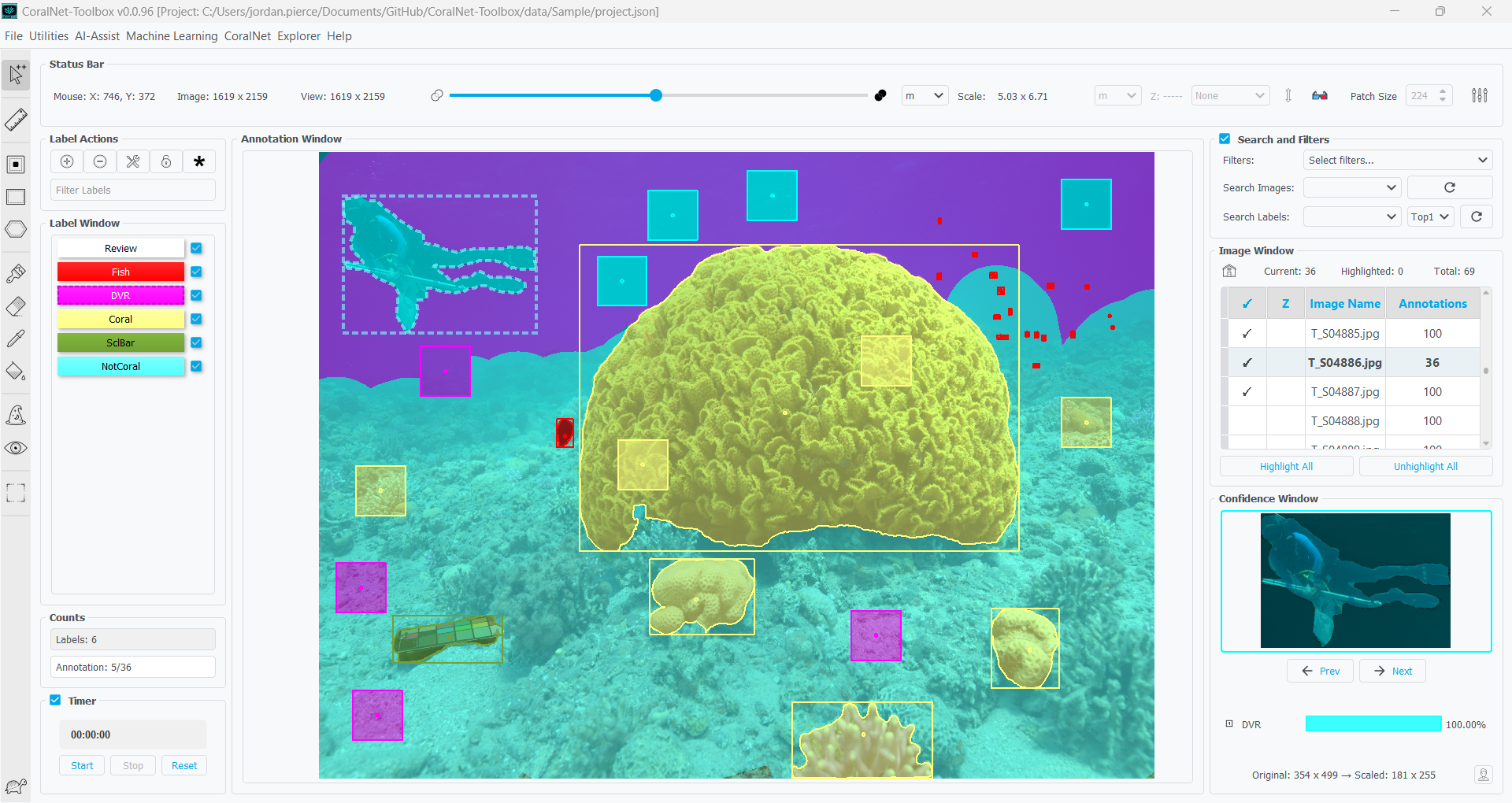

Traditional benthic imagery analysis is time-consuming. Manual annotation, data management, and model training are often separate, complex tasks. CoralNet-Toolbox unifies this process, turning a research bottleneck into an integrated, AI-accelerated pipeline.
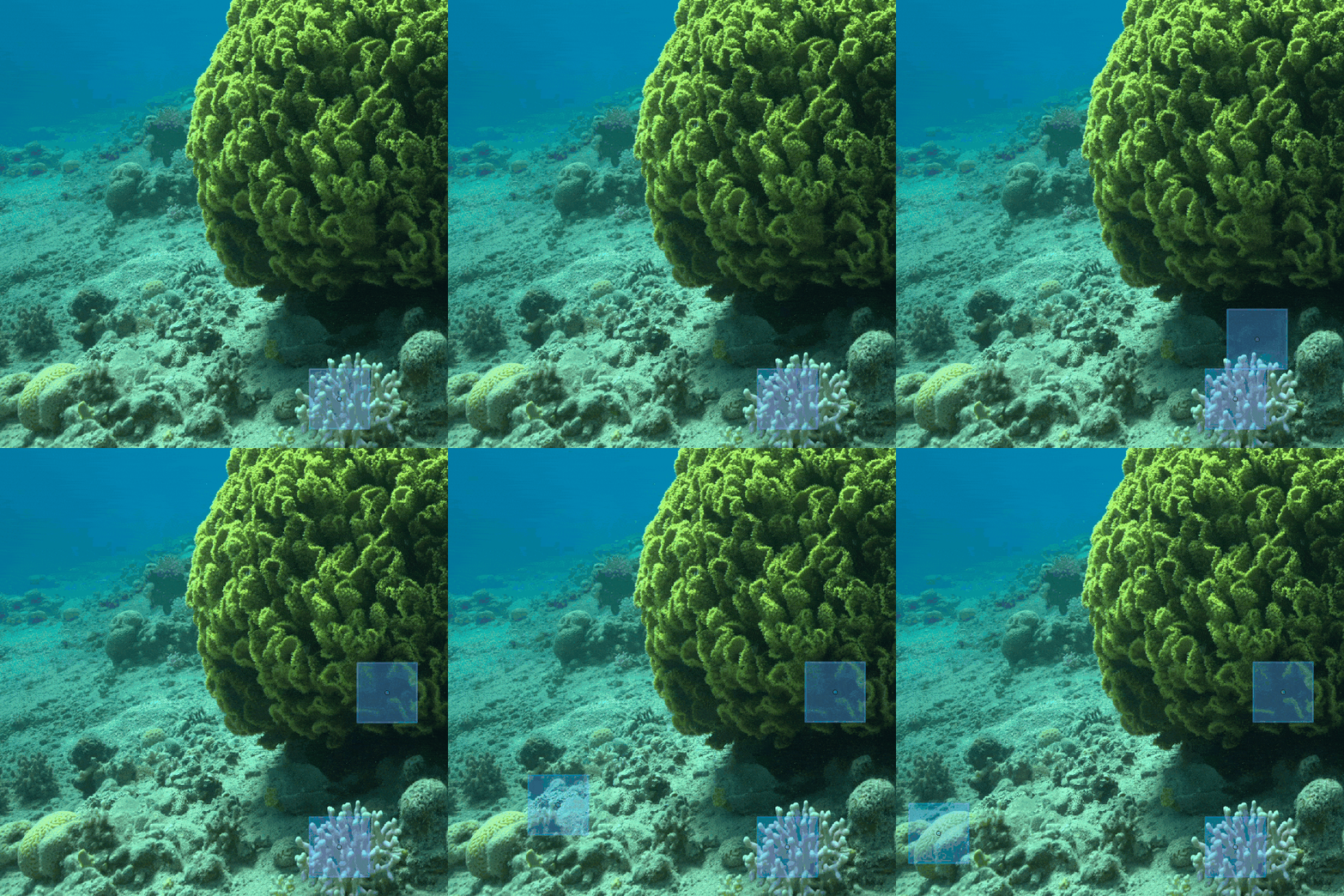 🎯 Patch Annotation |
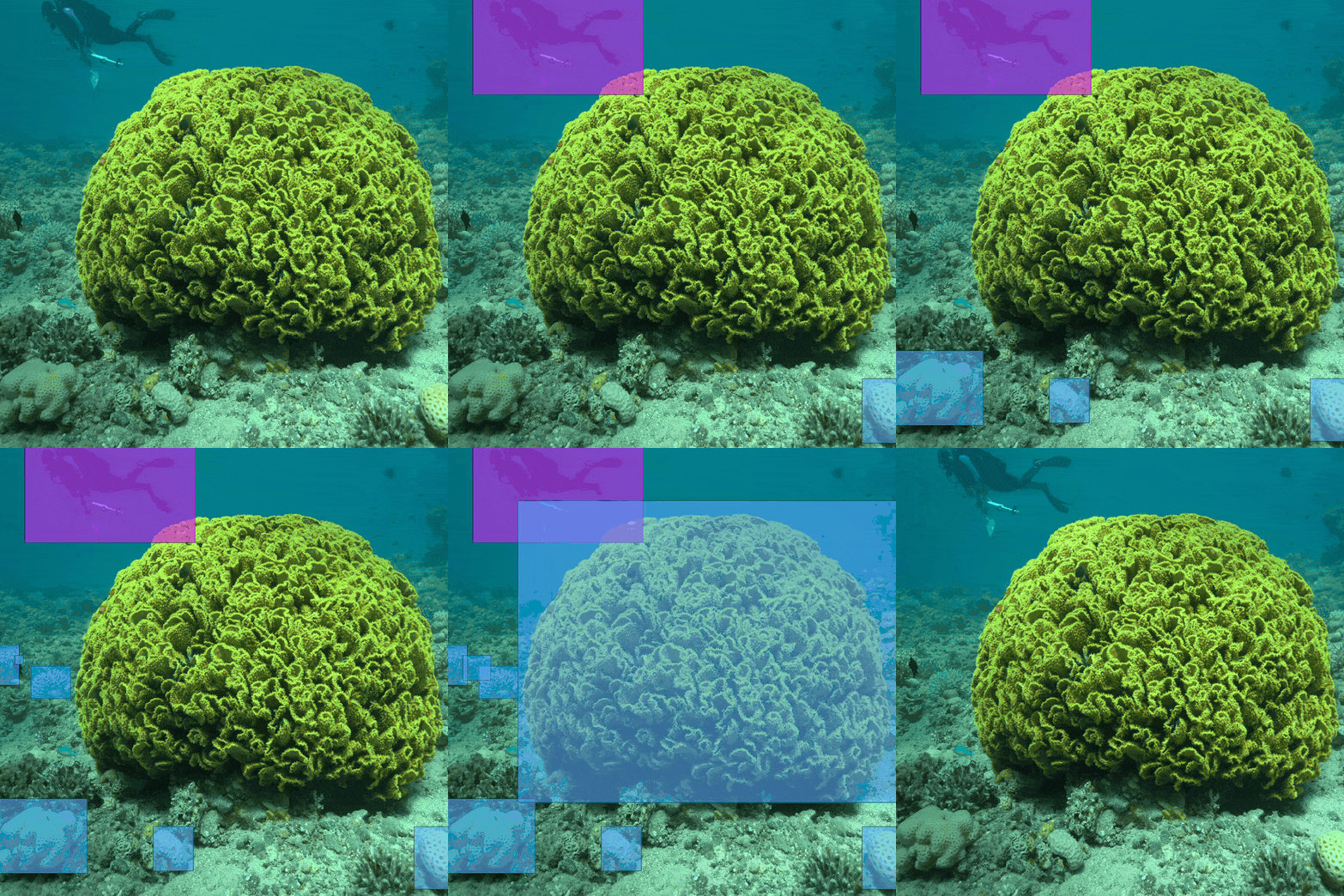 📐 Rectangle Annotation |
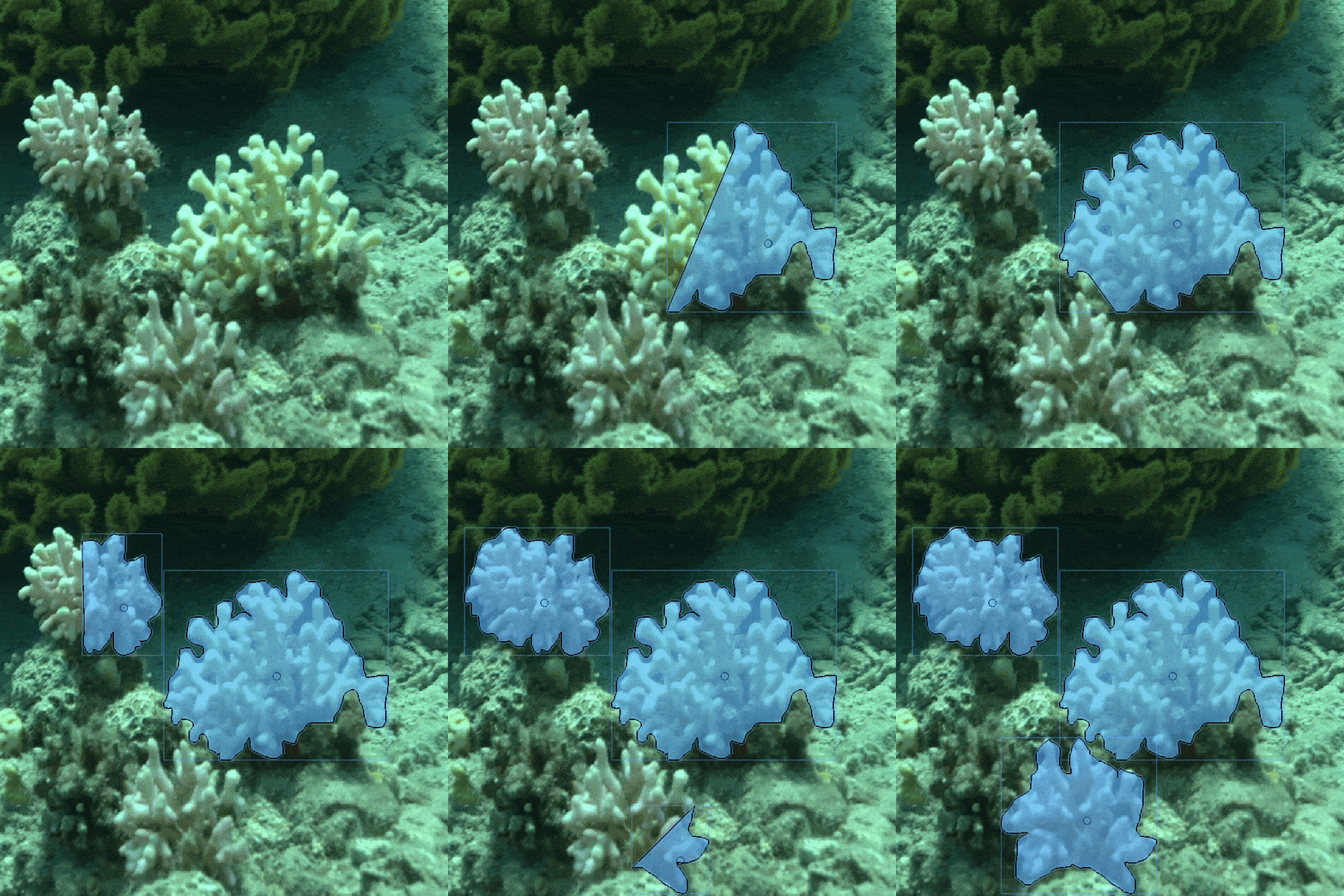 🔷 Multi-Polygon Annotation |
|---|
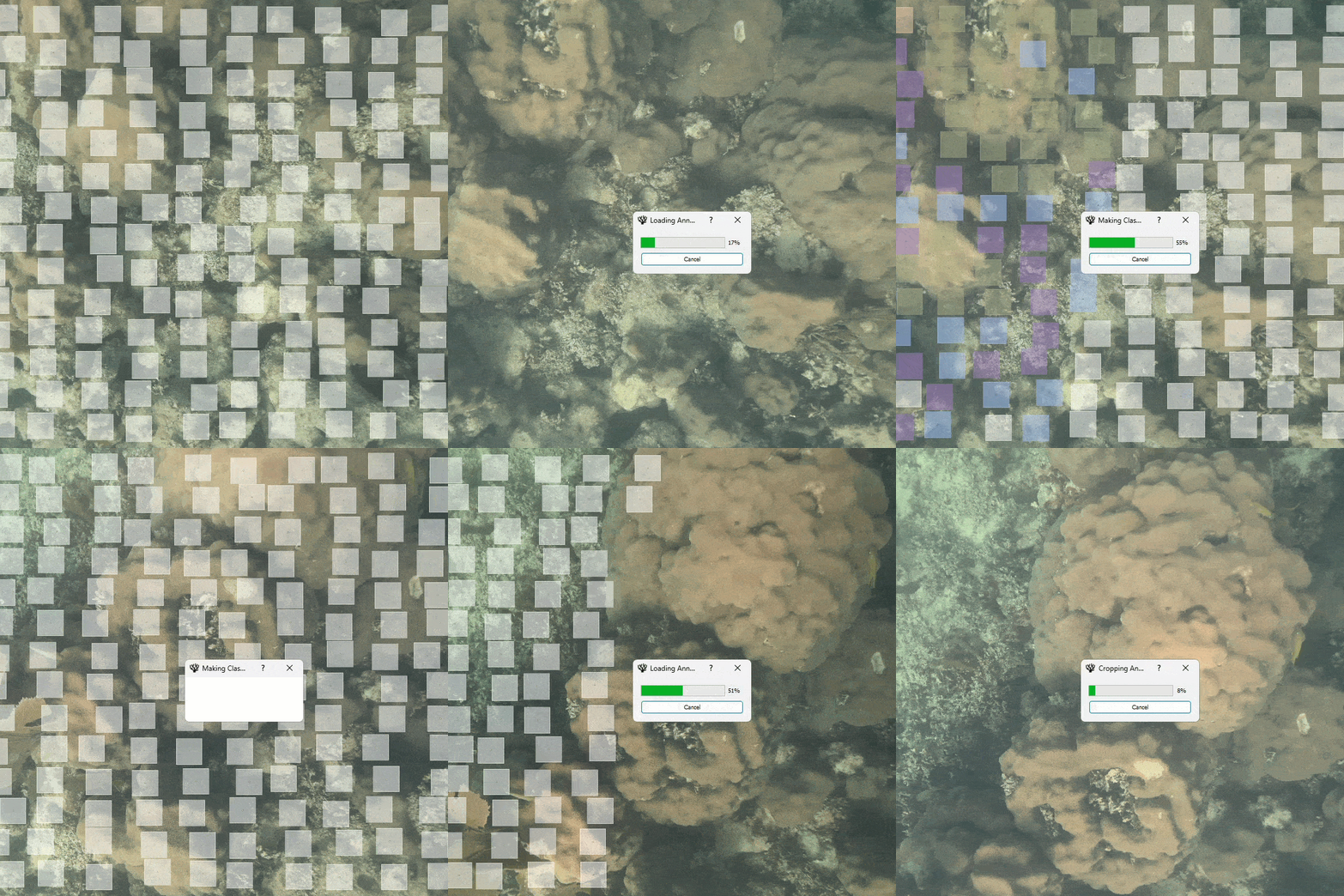 🧠 Image Classification |
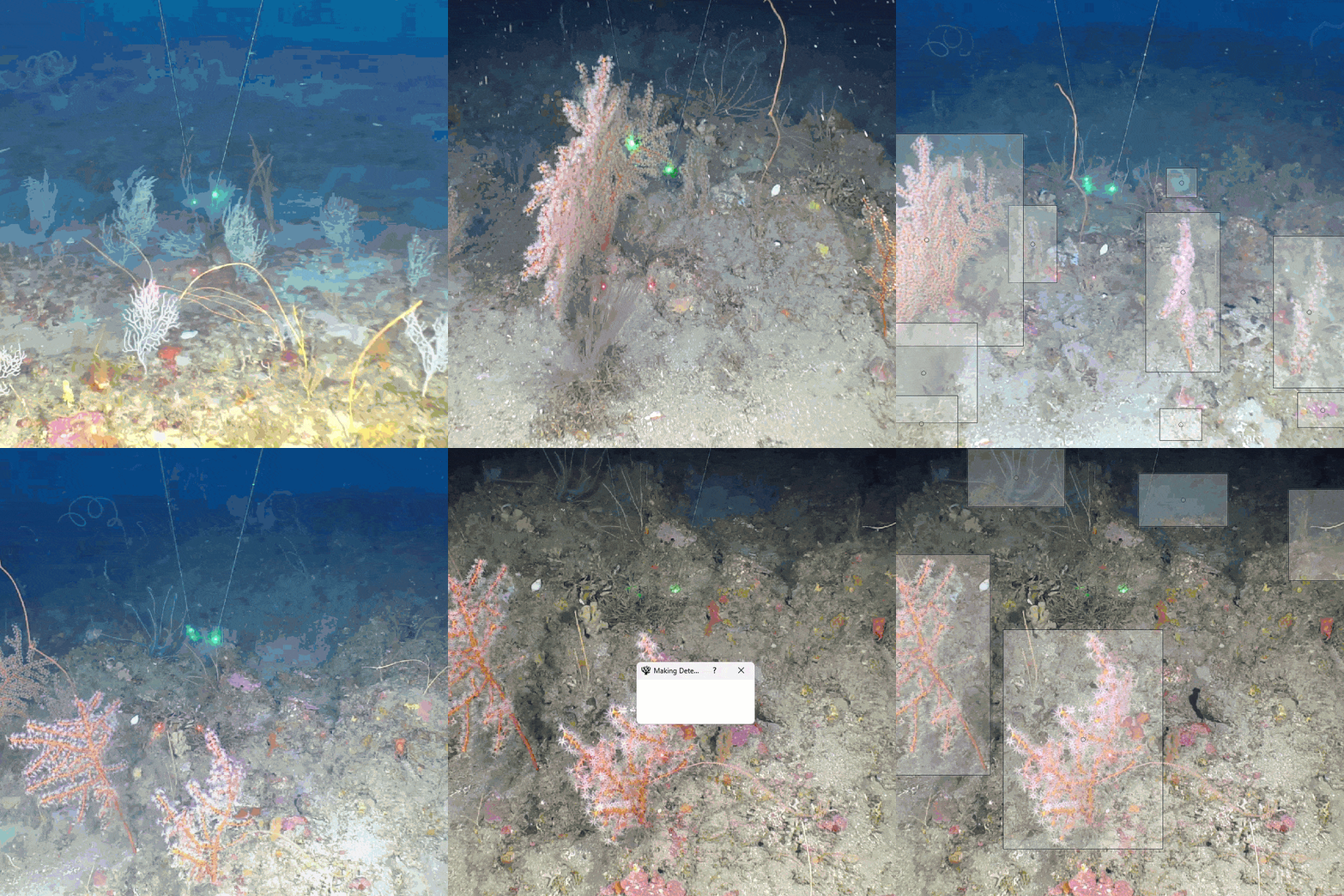 🎯 Object Detection |
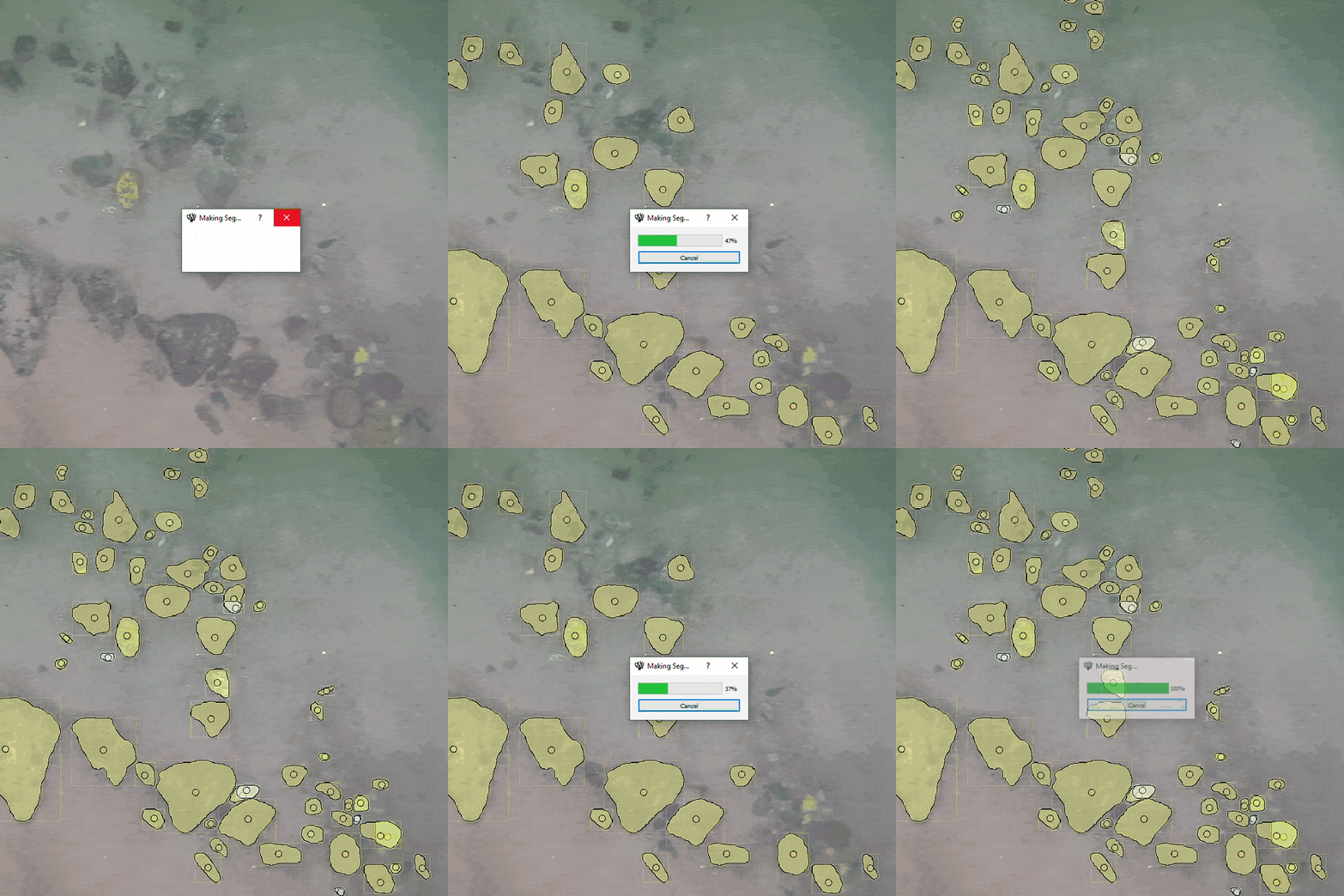 🎭 Instance Segmentation |
|---|
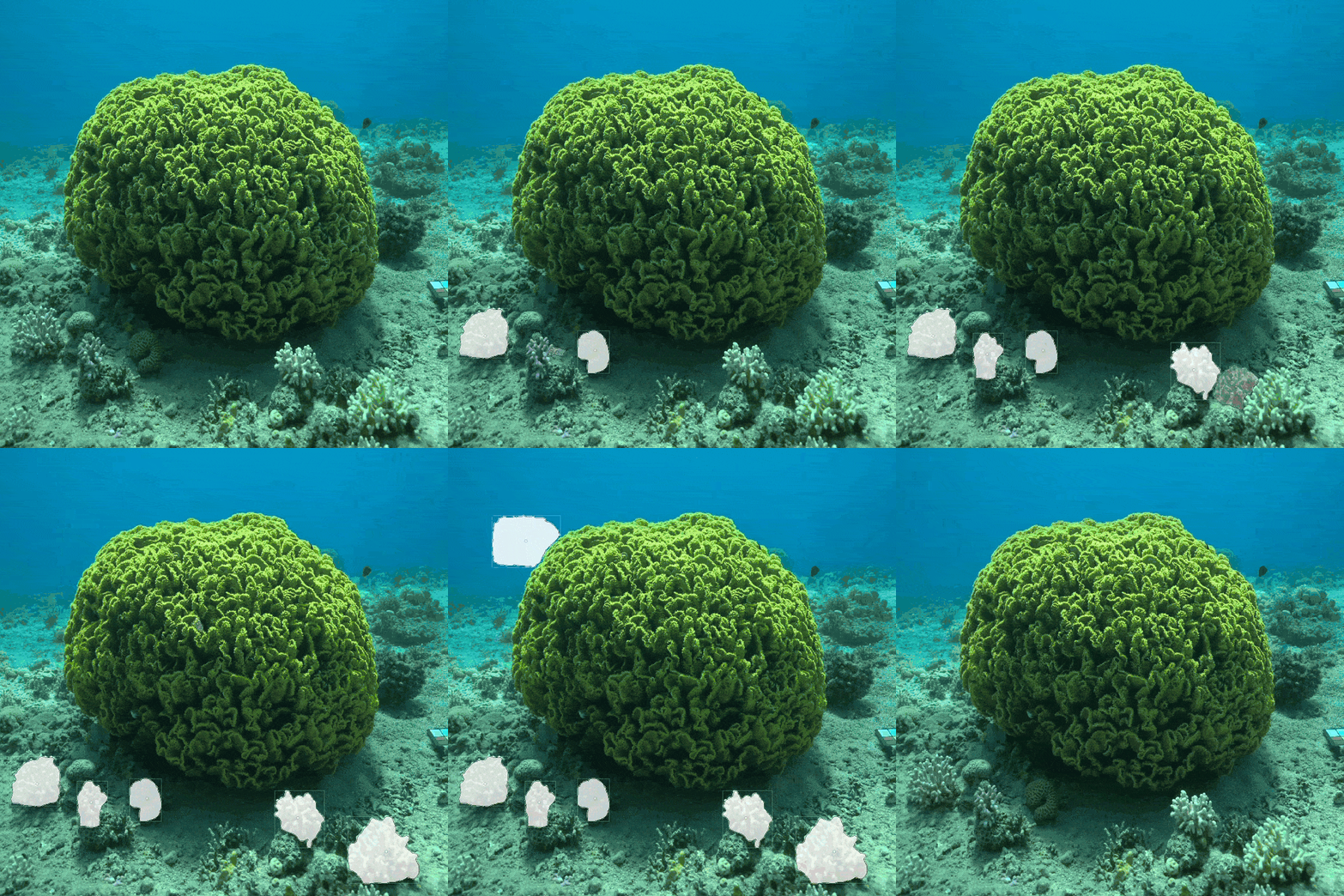 🪸 Segment Anything (SAM) |
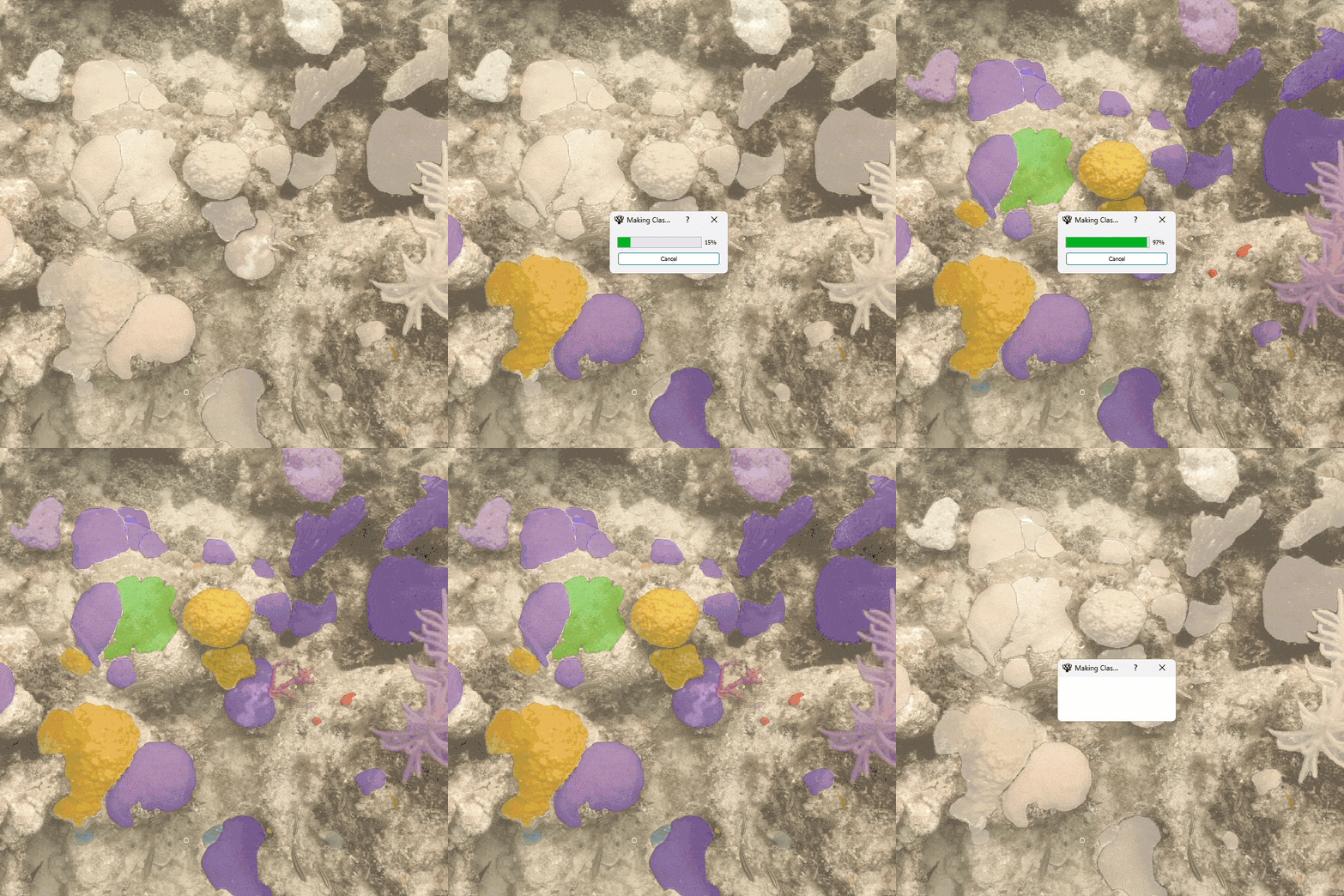 🔍 Polygon Classification |
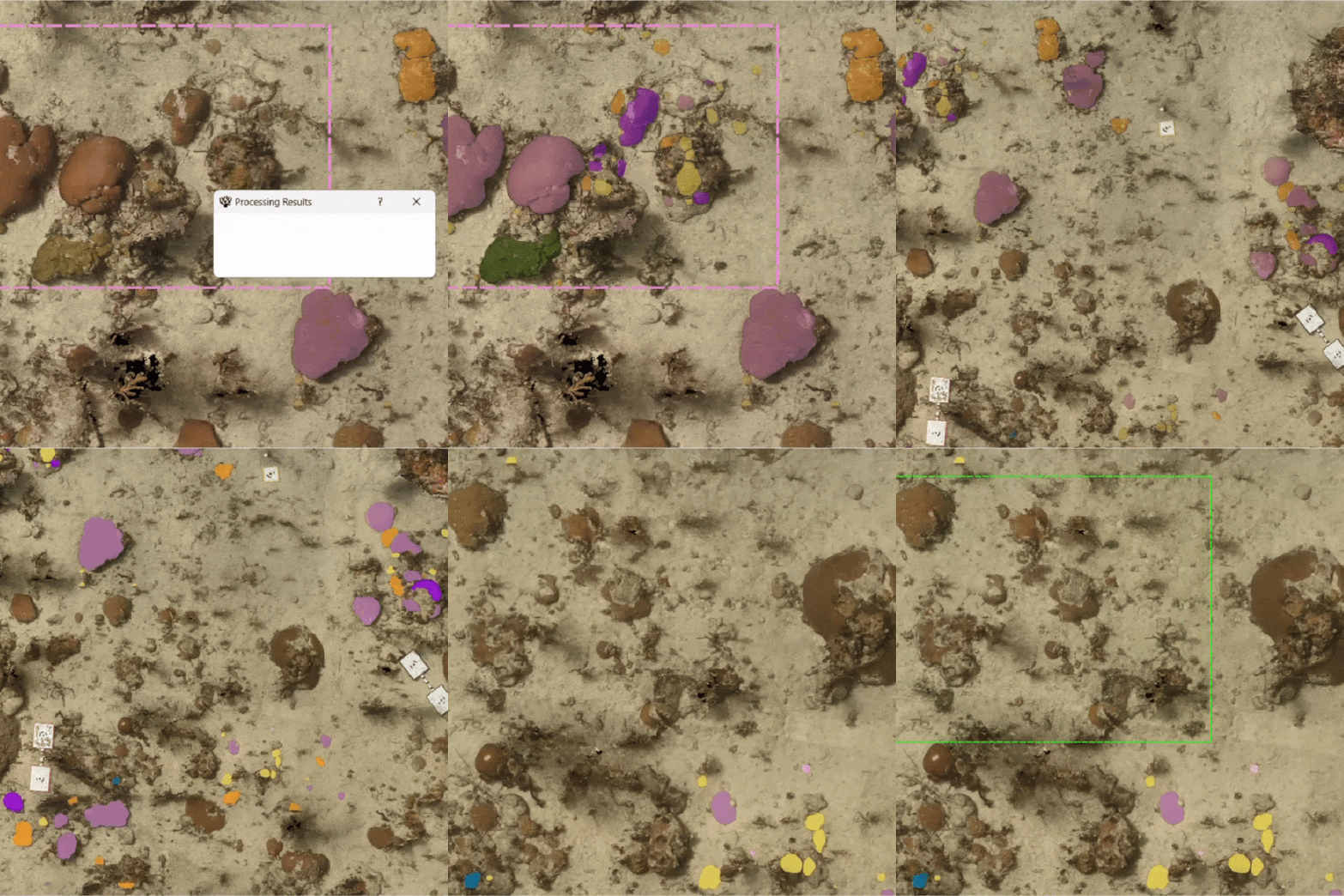 📍 Region-based Detection |
|---|
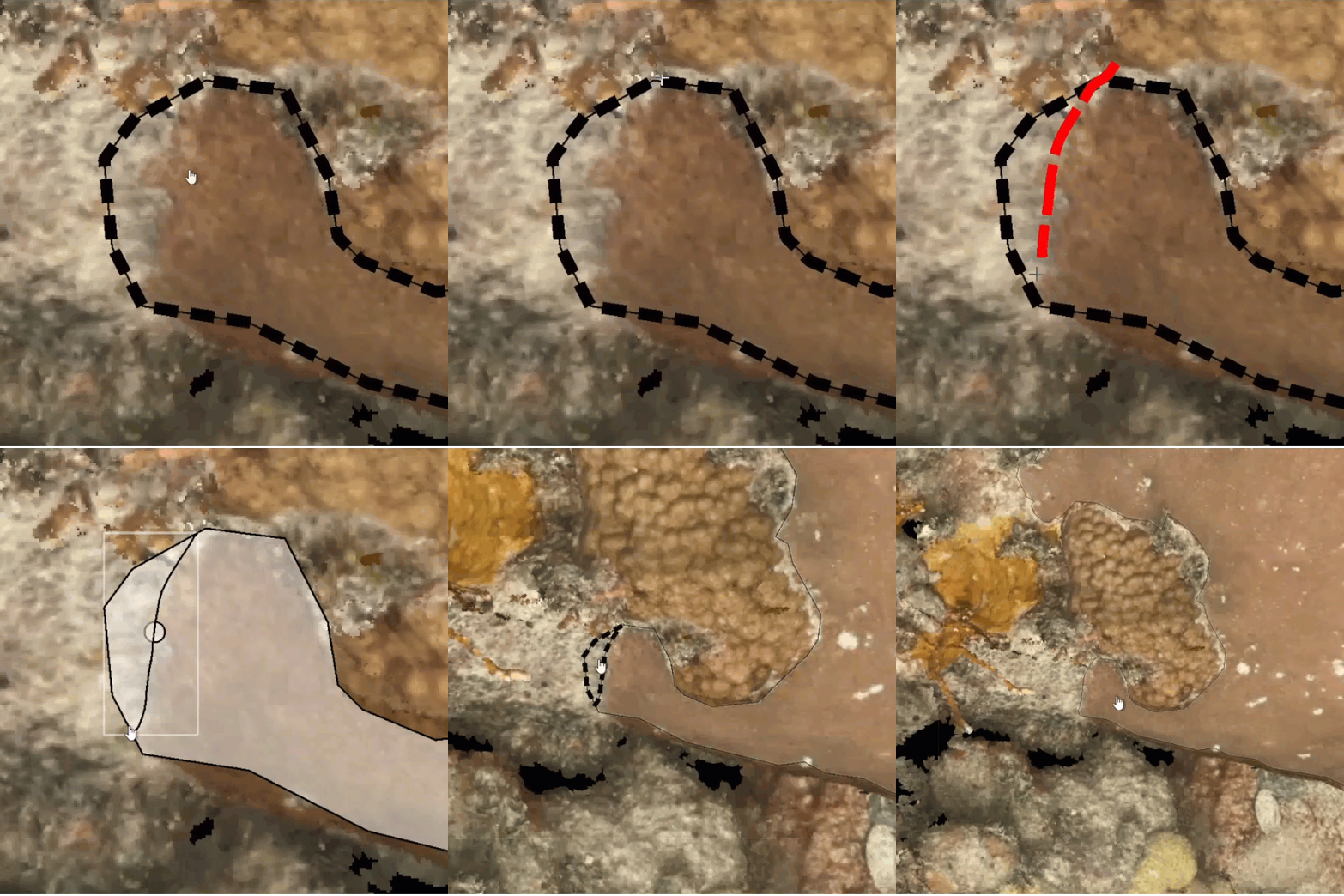 ✂️ Cut |
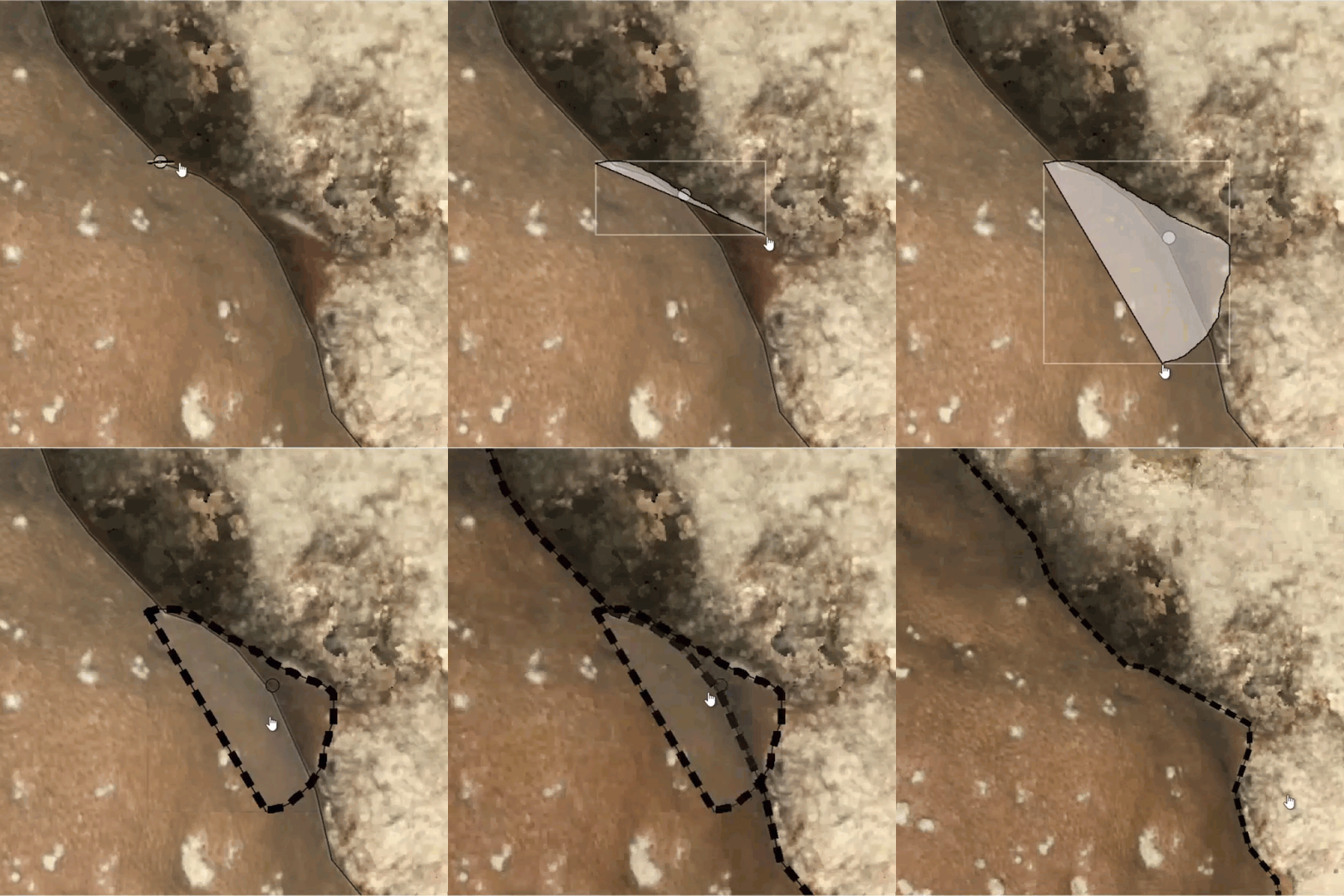 🔗 Combine |
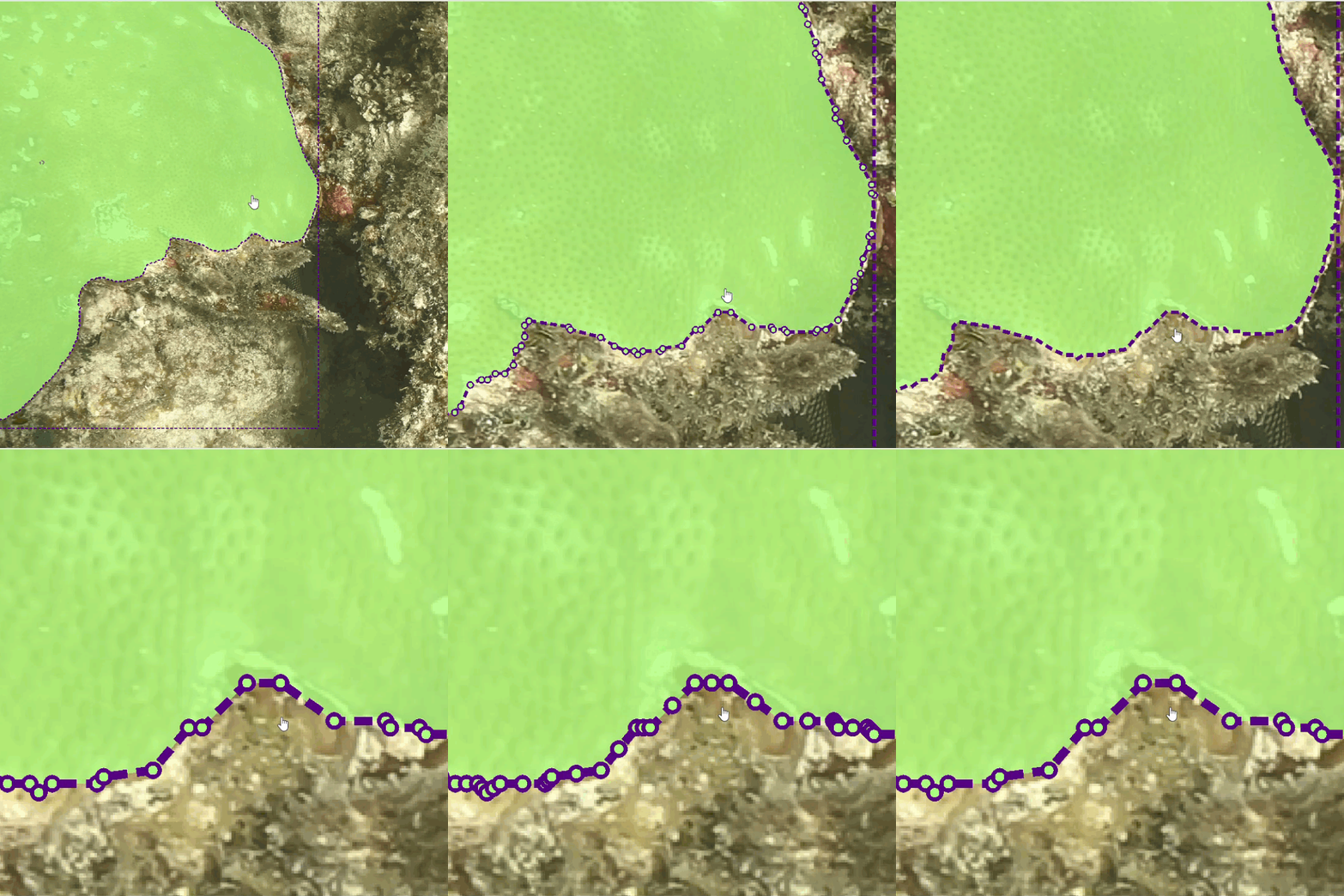 🎨 Simplify |
|---|
Using CoralNet-Toolbox in your research?
We'd love to feature your work! Share your success stories to help others learn and get inspired.
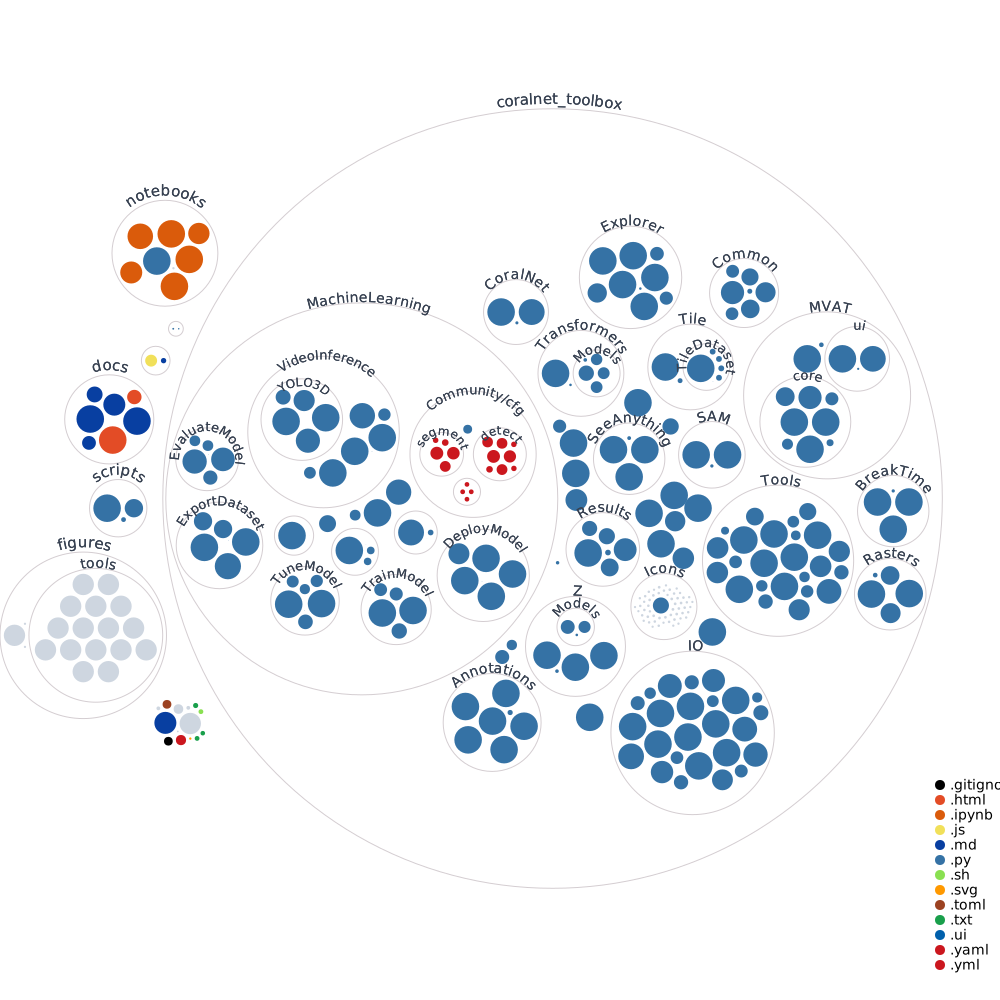
Coral reefs are among Earth's most biodiverse ecosystems, supporting marine life and coastal communities worldwide. However, they face unprecedented threats from climate change, pollution, and human activities.
CoralNet is a revolutionary platform enabling researchers to:
- Upload and analyze coral reef photographs
- Create detailed species annotations
- Build AI-powered classification models
- Collaborate with the global research community
The CoralNet-Toolbox extends this mission by providing advanced AI tools that accelerate research and improve annotation quality.
If you use CoralNet-Toolbox in your research, please cite:
@misc{CoralNet-Toolbox,
  author = {Pierce, Jordan and Battista, Tim and Kuester, Falko},
  title = {CoralNet-Toolbox: Tools for Annotating and Developing Machine Learning Models for Benthic Imagery},
  year = {2025},
  howpublished = {\url{https://github.com/Jordan-Pierce/CoralNet-Toolbox}},
  note = {GitHub repository}
}This is a scientific product and not official communication of NOAA or the US Department of Commerce. All code is provided 'as is' - users assume responsibility for its use.
Software created by US Government employees is not subject to copyright in the United States (17 U.S.C. §105). The Department of Commerce reserves rights to seek copyright protection in other countries.
Empowering researchers • Protecting ecosystems • Advancing science