Fullstack ecommerce website built using HTML, CSS, JavaScript and Django with extensive functionalities.
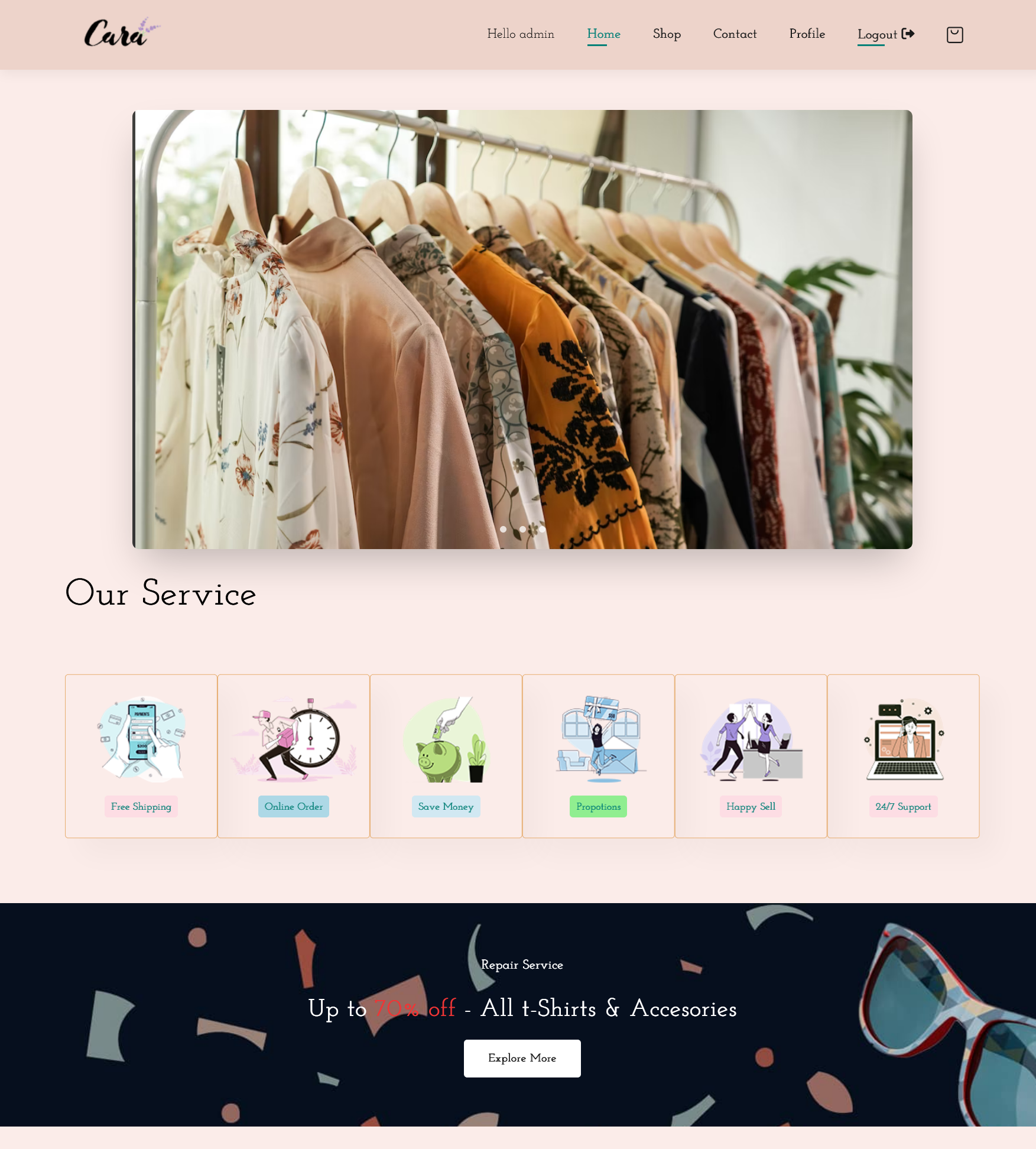
The Mini-Ebay project was built using a variety of technologies to create a full-stack application. The technologies used are:
- HTML: Used to structure the content of the website and define its layout.
- CSS: Used to style the website, giving it an attractive and consistent look and feel.
- JavaScript: Used to add dynamic behavior to the website, such as form validation and interactive elements.
- AJAX: Used to make asynchronous requests to the server, enabling the website to load data without requiring a page refresh.
- API: Used to enable communication between the front-end and back-end of the application.
- Django: Used as the back-end framework to handle the server-side logic and database management.
- MySQL: Used as the database management system to store and retrieve data.
We want to develop electronic trading such that every responsible user can trade their items. There are three types of users to this system:
- Superusers (SUs),
- Ordinary users (OUs),and
- Guests (GUs).
- 1.Process applications and decide who can be OU and who should be denied with justifications.
- 2.Process items the OUs submitted intending to sell, some can be publicly available on the system and some may be deniedand communicated to the OU.
- 3.Send warnings to OUs who received two complaints or the average grade is lower than 2 with at least 3 evaluators, should an OU receive two warnings this OU should be removed from the system automatically.
- The SU has the power to remove any OU(s) with justifications at any time.
- 4.Collect transaction statistics for a certain period (a day or a week) and/or a certain OU(s).
- 5.Settle disputes between sellers and buyers and apply warnings/removals accordingly.
- 1.Features enjoyed by a GU.
- 2.Deposit or withdraw money (symbolically, no real money is involved in the system) from own account. After a transaction, the buyer’s money is transferred to the seller. A bidder cannot place a bid with amount more than s/he has in the system.
- 3.Submit the bid to buy an available item, the OU who owns the item however decides if this transaction should proceed.
- 4.Submit the information (a picture or video, title, key words, time limit, price range) of the item(s) s/he wants to sell.
- 5.Sell the item(s)s/he posted, the OUmay choose whom to sell, if not the highest bidder was chosen, a reason must be provided.
- 6.File complaints to SUs against certain OUs whose item s/he purchased has some problem.
- 7.Grade an OU after buying an item from him/her, 1 being the worst and 5 being the best.
- 7.1 Any OU making 3 1 (worst) or 5(best) rating to others, the OU must see the SU to make sure there is no problem, a warning or removal could ensure based on SU’s judgment.
- 8.See his/her own transaction history.
- 9.Change his/her password, name, address, phone,and credit card number.
- 1.Browse/search available items based on title, keywords, price range, and ratings;
- 2.Report to SU about the suspicious items (stolen) s/he spot from the site, if proven true the SU will remove the item and the CU who posted it and generate a report to be sent to police;
- 3.Apply to be an OU
- 1.OUs removed from the system by SUs will be blocked for future re-application.
- 2.Items removed from the systemby SUs will be blacklisted from system.
- 3.The system can distinguish the interest of an OU during the login session and show different GUI according to the users’ browsing or selling/buying history. No adaptive GUI for GUs or SUs.
- 4.GUI is required, could be a local application or web-based one, no preference
- 5.A creative feature with 10% of the project determined by each team, considerably creative ones (positive outliers) could obtain special bonus.